
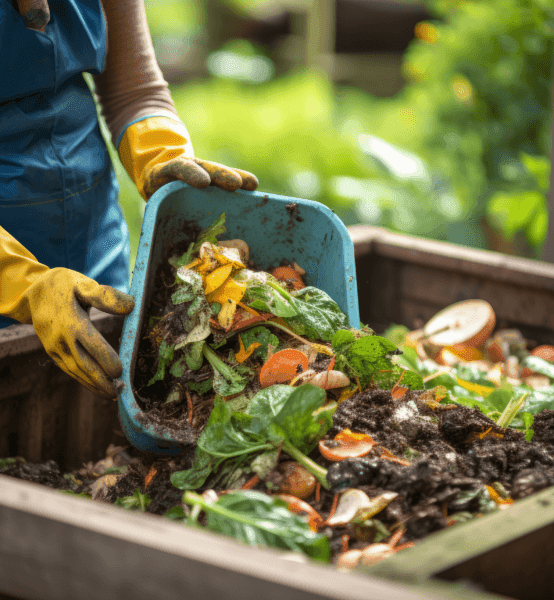
Food waste and its biomethane potential: an underestimated energy resource
Anaerobic digestion offers a powerful way to convert food waste into biogas, transforming an underused resource into renewable energy. A key indicator in this process is the biomethane potential, which determines how efficiently organic waste can be converted into methane.
But what exactly does biomethane potential mean, and which types of food waste deliver the highest methane yields?
What is biomethane potential?
The biomethane potential, refers to the ability of an organic waste to produce methane (CH₄) during anaerobic degradation, meaning in the absence of oxygen. It is generally expressed in cubic meters of methane per ton of fresh matter of organic waste (m³ CH₄/t).
A higher methanogenic potential leads to increased biogas production, making the waste a valuable resource for renewable energy generation
Methane potential of food waste: which materials produce the most biogas?
Not all food waste and organic residues offer the same methane yield. Some substrates have a high methane potential, while others contribute less efficiently to biogas production.

High biomethane potential organic waste
• Used cooking oils and fats (up to 800 m³ CH₄/t)
• Meat waste and animal by-products
• Sugar-rich agri-food waste (molasses, overripe fruit …)
• Manure and slurry with easily biodegradable organic matter
Low biomethane potential organic waste
• Woody residues and dry plant materials (wood, dead leaves …)
• Wastewater treatment sludge
The impact of biomethane potential on anaerobic digestion performance
Understanding the methane potential of each substrate is essential to optimize feedstock selection for anaerobic digestion systems, as the BioCapsule®.
Using organic waste with high biomethane potential leads to an increasing biogas production, thus improving the efficiency and profitability of our anaerobic digestion units.
However, achieving optimal performance requires maintaining a balanced biological process. Key parameters such as pH, moisture content, and substrate mix must be carefully monitored to preserve ideal conditions for methanogenic microorganisms.
This is why feedstock optimization and recipe management are essential to ensuring stable and reliable biogas output over time.
Arkeale’s expertise in micro-anaerobic digestion
At Arkeale, we support our clients by designing tailored feedstock recipes based on the specific characteristics and methane potential of their organic waste. Our solutions include continuous monitoring of biogas production to maximize system efficiency. The BioCapsule®, our micro anaerobic digestion solution, is designed to adapt to your operational needs and ensure optimal, long-term energy production.
Start your BioCapsule® project now
Our experts will guide you from the pre-study phase to monitoring the gas production of your BioCapsule®
 Back to articles